Understanding the psychology behind gambling What drives our bets
The Allure of Risk-Taking
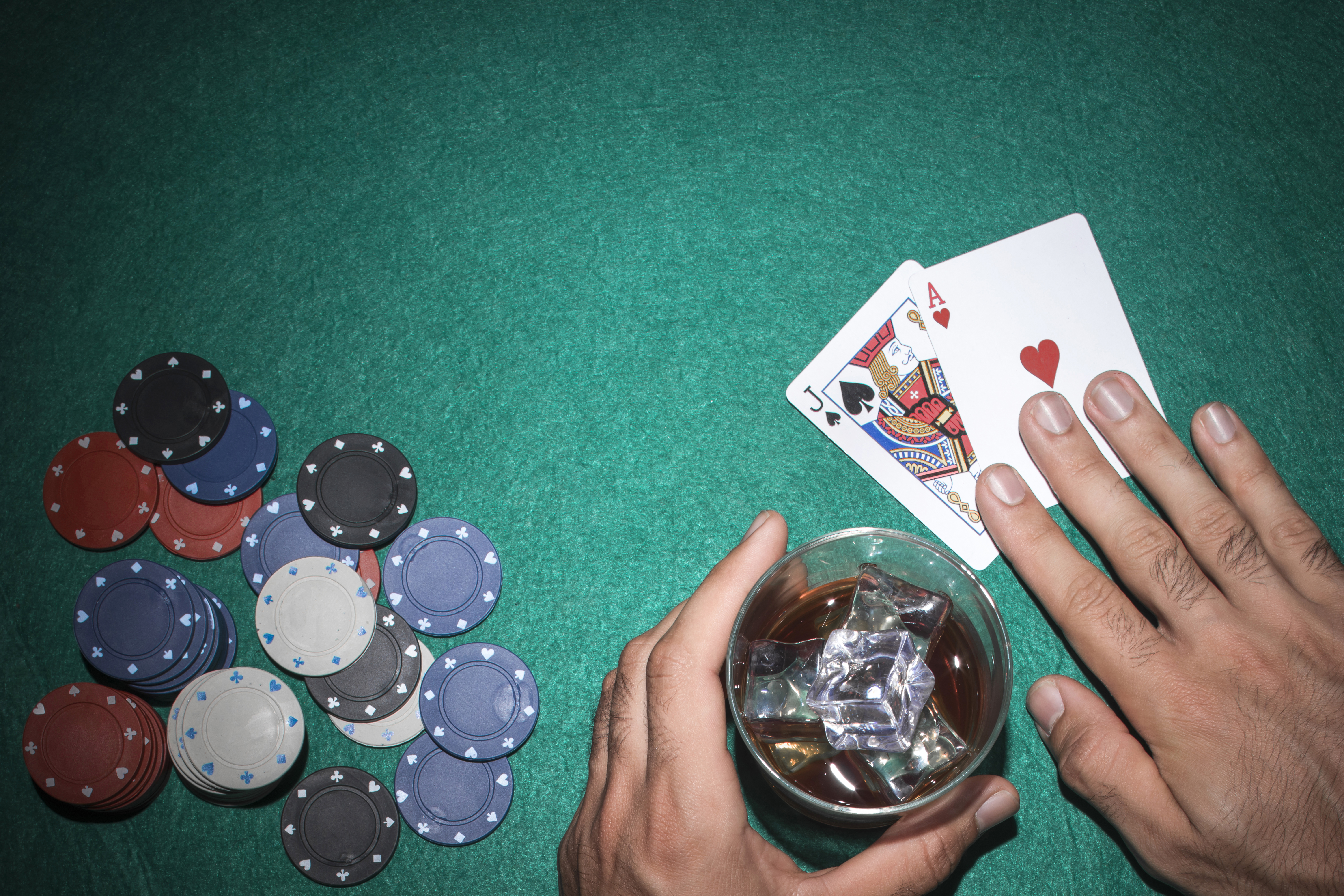
The thrill of risk-taking is a significant factor driving people to gamble. Engaging in activities that involve uncertainty can release adrenaline, generating excitement and a sense of euphoria. This rush of adrenaline is often sought after by individuals looking for an escape from routine life. The unpredictability of outcomes keeps players on the edge of their seats, fueling their desire to place bets. Many players might find the best casino online options to enhance their experience further.

This risk-taking behavior is deeply rooted in human psychology. The brain’s reward system is activated during gambling, releasing neurotransmitters like dopamine. This chemical reinforces the behavior, making individuals more likely to return for the same thrilling experience. The excitement of possibly winning amplifies the desire to continue gambling, contributing to both casual play and more serious gambling habits.
The Role of Social Interaction
Gambling often serves as a social activity, drawing individuals into groups where camaraderie and shared experiences enhance enjoyment. Many people are attracted to gambling venues not just for the games, but for the social connections formed with others. The communal environment fosters a sense of belonging, making the gambling experience more appealing.
Social interactions can also influence betting behavior. When surrounded by others who are betting, individuals may feel a heightened sense of competition or encouragement to participate. This social dynamic can lead to riskier bets, driven by the desire to impress peers or simply share in the fun of the moment, enhancing the overall experience of gambling.
The Impact of Cognitive Biases
Cognitive biases significantly shape gambling behavior, leading individuals to make irrational decisions. One common bias is the illusion of control, where players believe they can influence the outcome of random games. This belief can encourage more frequent betting, as individuals feel empowered to sway results in their favor.
Another relevant cognitive bias is the gambler’s fallacy, where individuals mistakenly think that past outcomes will affect future results. For example, if a slot machine hasn’t paid out in a while, a player might believe it’s “due” for a win. Such misconceptions can lead to a cycle of betting that is not based on reality, but rather on flawed reasoning and emotional impulses.
The Emotional Rollercoaster of Gambling
Emotions play a crucial role in gambling, with highs and lows significantly impacting decision-making. The thrill of winning can evoke feelings of happiness and satisfaction, reinforcing the desire to keep playing. Conversely, losses can lead to frustration, sadness, and in some cases, an irrational determination to chase losses, often resulting in even greater financial risk.
The emotional aspect of gambling can create a powerful feedback loop. Winning may lead to overconfidence, pushing players to make riskier bets, while losing can prompt a desperate need to reclaim lost money. This emotional rollercoaster can lead individuals deeper into gambling behavior, often blurring the lines between responsible play and compulsive gambling.
About Our Website
This website aims to provide users with essential information regarding the psychological aspects of gambling. By understanding the underlying motivations and behaviors associated with gambling, individuals can make informed decisions about their gaming experiences. Our focus is on promoting safe and responsible gambling practices, recognizing the importance of user awareness in navigating this complex landscape.
We also offer guidance and support for those facing challenges related to gambling. Whether it’s addressing access issues or understanding risk factors, our commitment is to prioritize user safety while delivering informative resources. Engaging with our content can help users better comprehend their gambling habits and foster a healthier relationship with gaming activities.
